By now you've heard of Ozempic. Wegovy. Mounjaro. Zepbound.
GLP-1 receptor agonists — a class of medications originally developed for type 2 diabetes — have become the most talked-about weight loss intervention in modern medicine. Roughly one in eight American adults has taken a GLP-1 medication. The results, for many people, have been dramatic. Real weight loss. Meaningful improvements in metabolic health. Life-changing for people who have struggled for years.
I'm not here to argue against any of that.
But there's a conversation that isn't happening loudly enough — and it's one that every person on a GLP-1 medication, or considering one, needs to have.
Along with the fat, many people taking these medications are losing something else. Something that doesn't come back quickly. Something that matters far more to your long-term health than the number on the scale.
Muscle.
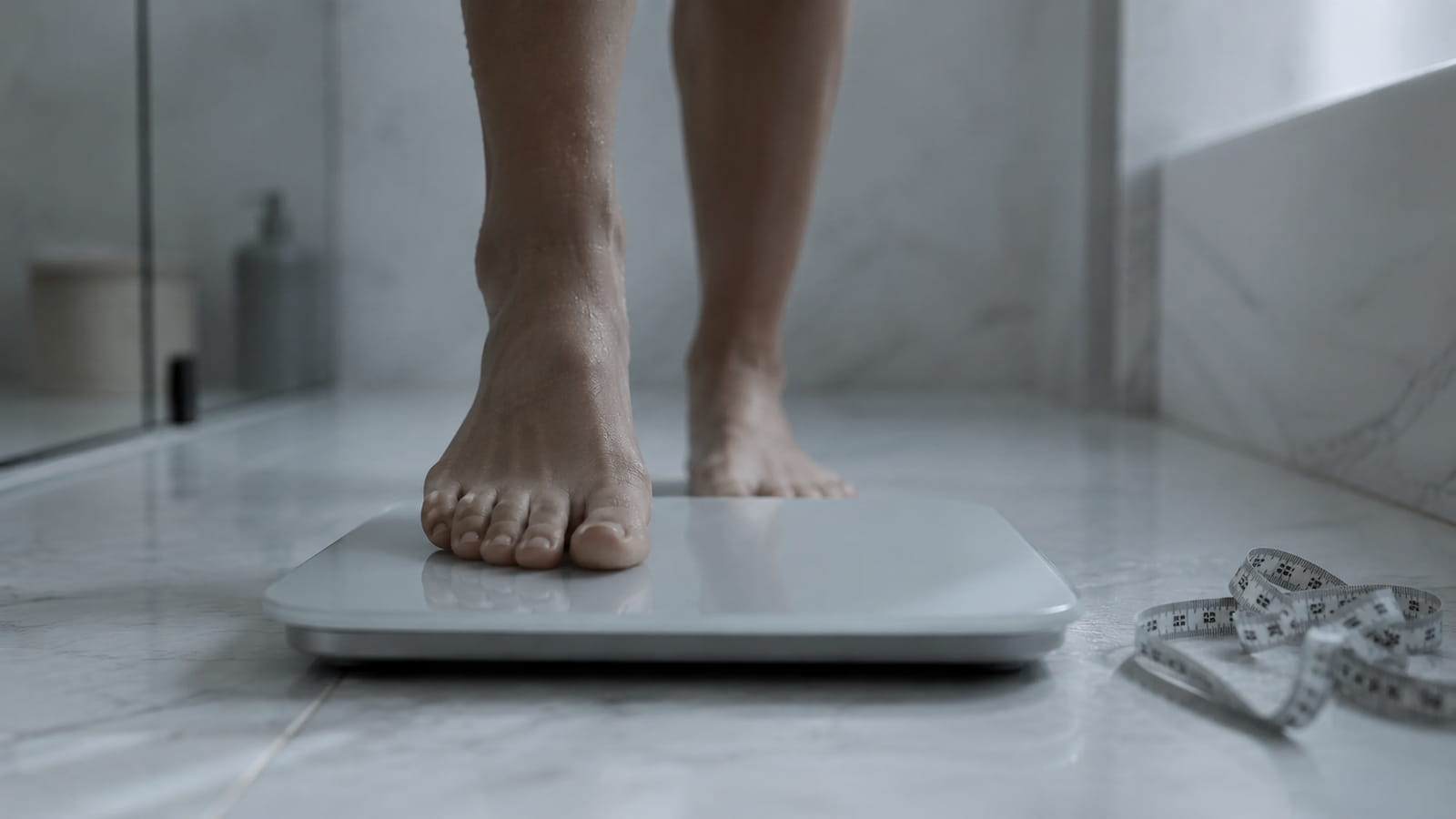
What GLP-1 Medications Actually Do
GLP-1 receptor agonists work primarily by mimicking a naturally occurring hormone that regulates appetite and blood sugar. They slow gastric emptying — meaning food moves through your stomach more slowly — which dramatically reduces hunger and makes it much easier to eat significantly less.
That calorie reduction is what drives the weight loss. And on these medications, the weight loss can be substantial. Studies show average losses of 15–20% of body weight over the course of a year or more.
That sounds like exactly what most people want. And in many ways it is.
But here's the problem that doesn't make it onto the prescription information sheet: when you lose weight rapidly through aggressive calorie restriction — which is exactly what GLP-1 medications facilitate — your body doesn't just burn fat. It breaks down muscle tissue too.
This isn't unique to GLP-1 medications. It happens with any significant calorie deficit. But the speed and magnitude of weight loss on these medications accelerates the problem in ways that a gradual diet-and-exercise approach typically doesn't.
The Muscle Loss Reality
The research on this is evolving — and it's worth being honest about what we know and what we're still learning.
A 2026 Stanford Medicine study found that mice treated with semaglutide (the active ingredient in Ozempic and Wegovy) lost approximately 25% of their body weight — but also experienced significant reduction in skeletal muscle mass. Critically, that muscle loss affected their ability to recover from muscle injury, even when strength appeared normal under baseline conditions.
A separate analysis found that among GLP-1 users who lost significant weight, 68% exceeded preset benchmarks for what researchers consider disproportionate lean mass loss. Importantly, the same study found that 50% of people who lost weight through lifestyle changes alone also exceeded those benchmarks — suggesting this is a weight-loss problem broadly, not just a GLP-1 problem specifically.
The honest conclusion: however you lose weight, you will lose some muscle. The question is how much — and whether you're doing anything to protect against it.
On GLP-1 medications, the risk is higher because the weight loss is faster and the calorie intake is often dramatically reduced, leaving less room to consume the protein your body needs to preserve muscle tissue.
Why This Matters More Than Most People Realize
Here's what tends to get lost in the excitement about the number on the scale going down.
Muscle tissue is not optional equipment. It is the engine of your metabolic health. Muscle burns more calories at rest than fat. It regulates insulin sensitivity. It supports bone density. It determines your functional strength and mobility. It protects you from falls, injury, and the physical decline that compounds so quickly once it begins after 40.
Losing significant muscle mass while losing fat is not just a cosmetic concern. It's a metabolic and longevity concern of the highest order.
The phenomenon some researchers have started calling "Ozempic face" — the gaunt, aged appearance some users develop — is a visible symptom of a deeper problem. When you lose weight without protecting muscle, you don't just lose fat. You lose the structural tissue that keeps your body functional, capable, and metabolically active.
And here's the insidious part: fat comes back. Muscle, once lost significantly, does not come back quickly or easily — especially as you age.
The Skinny-Fat Problem
There's a term worth knowing: skinny fat. It refers to a body composition where someone appears thin — or at least thinner — by the scale and visually, but has a high body fat percentage relative to their lean muscle mass.
 Skinny fat is not a safe metabolic state. It carries many of the same metabolic risks as obesity — insulin resistance, poor blood sugar regulation, cardiovascular risk factors — while also carrying the mobility and strength risks of low muscle mass.
GLP-1 medications, used without a deliberate strategy to preserve muscle, can move people toward this state. They lose weight. The scale goes down. They look thinner. But if they haven't preserved and built muscle alongside that fat loss, what they're left with is a smaller version of an unhealthy body composition rather than a genuinely healthy one.
This is not an argument against GLP-1 medications. It's an argument for using them intelligently — with the full picture of what they do and what you need to do alongside them.
What the Research Actually Recommends
The good news is that the solution to this problem is not complicated. It is, however, non-negotiable.
Resistance training — consistently and progressively.Every expert source examining GLP-1 and muscle loss points to the same intervention: resistance training. Lifting weights. Performing compound movements under load. Applying progressive overload over time.
This is not a suggestion. It is the primary mechanism by which you tell your body — even in a significant calorie deficit — to preserve and maintain muscle tissue. Without the stimulus of resistance training, your body has no reason to hold onto metabolically expensive muscle when it's starving for calories.
Two to three sessions per week of meaningful resistance training is the minimum. Not cardio. Not yoga. Not walking — though walking has its place. Resistance training with real load, progressed over time.
Protein — more than you think, prioritized at every meal.The recommendation for protein intake on GLP-1 medications is higher than the general population guidance. Aim for at least 1 gram of protein per pound of lean body mass daily. Some researchers suggest going higher.
The challenge on GLP-1 medications is that appetite suppression makes eating enough protein genuinely difficult. These medications work by making you not want to eat — which means when you do eat, every calorie needs to count. Protein has to be the priority at every meal, not an afterthought.
Lean meats. Eggs. Greek yogurt. Cottage cheese. Quality protein supplements when whole food isn't enough. Whatever it takes to hit your protein target consistently.
The logic is simple: protein is the raw material your body uses to maintain and build muscle tissue. Without adequate protein in a calorie deficit, muscle loss is not a risk — it's a certainty.
The Bigger Picture — What the Scale Is Hiding
This is the conversation I want to have with anyone using or considering a GLP-1 medication.
The scale is telling you one number. Your body composition — the ratio of muscle to fat — is telling you a different and more important story. And the scale cannot see it.
Two people can weigh exactly the same amount and have wildly different health profiles depending on how much of that weight is muscle versus fat. A person who weighs 180 pounds with 35 pounds of lean muscle mass and 40 pounds of fat is in a completely different metabolic position than a person who weighs 180 pounds with 55 pounds of lean muscle mass and 20 pounds of fat.
GLP-1 medications are extraordinarily effective at moving the number on the scale downward. They are not, by themselves, a body composition solution. That requires a deliberate, active strategy around resistance training and protein that the medication itself cannot provide.
If you are taking a GLP-1 medication and you are not resistance training and prioritizing protein — you are almost certainly losing muscle alongside the fat. And you may not realize how significant that loss is until the weight loss stops and you're left with a body that weighs less but functions worse.
What to Do — The Practical Protocol
If you are on a GLP-1 medication, or considering one, here is the minimum effective protocol for protecting what matters:
Train with weights at least three times per week. Compound movements — squat, hinge, push, pull. Progressive overload tracked every session. This is the non-negotiable foundation. Everything else is secondary to this. Hit your protein target every single day. Aim for 1g per pound of lean body mass. When your appetite is suppressed, protein comes first — before anything else on the plate. A high-quality protein supplement can help bridge the gap when whole food isn't accessible. Track your body composition — not just your weight. If your gym has an InBody scanner, use it monthly. It tells you exactly how much of your weight is muscle versus fat. This is the data that actually matters. A scale tells you how much gravity is pulling on your body. An InBody tells you what your body is actually made of. Don't let the medication do all the work. GLP-1 medications are a powerful tool for reducing appetite and facilitating calorie restriction. They are not a replacement for the lifestyle work that produces genuine, lasting health. The medication can help you lose weight. Only you can build and protect the muscle that makes that weight loss meaningful.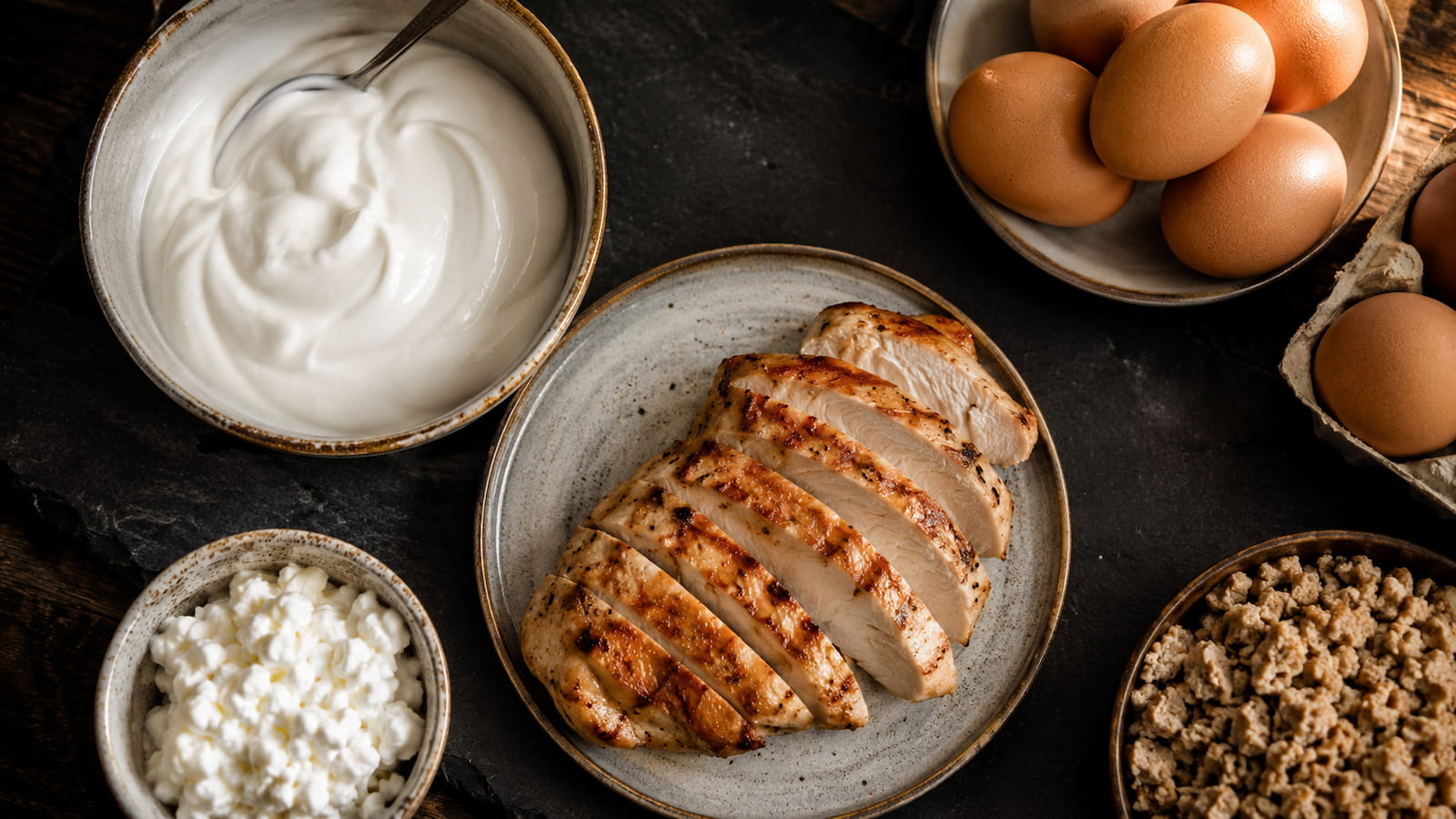
The Bottom Line
GLP-1 medications represent a genuine advancement in the treatment of obesity and metabolic disease. For many people, they work — and they work well. I am not anti-medication and this is not an anti-Ozempic article.
This is a pro-muscle article.
The conversation around GLP-1 medications has been dominated by the scale — how much weight people are losing and how quickly. The conversation that needs to happen alongside that one is about what kind of weight they're losing and what they can do to protect the tissue that matters most.
Muscle is not a vanity concern. It is a longevity asset. It is the infrastructure of a functional, healthy, capable life at 50, 60, 70, and beyond.
If you are losing weight — by any method, on any medication — protect your muscle. Train with resistance. Eat your protein. Track your body composition.
The number on the scale is the least important number in the room.
***
If you want help building a resistance training program or nutrition strategy that works alongside your current health plan, that's exactly what coaching is designed for. Reach out through the Work With Me page — I read every message personally._