A few years ago I cleared most seed oils out of my pantry. Vegetable oil, canola, soybean, corn, sunflower — gone. I replaced them with extra virgin olive oil, avocado oil, butter, and tallow. On rare occasion, peanut oil.
I didn't do it because someone on social media told me seed oils were poison. I did it because the more I read about industrial food processing, the more I wanted to cook with fats that had been part of human diets for centuries rather than fats that were invented in the last hundred years.
That reasoning still holds for me. But I also want to be honest with you about what the research actually says — because this conversation is messier than either the "seed oils are toxic" crowd or the "seed oils are heart-healthy" establishment is willing to admit.
Let's go through it.
What Seed Oils Are
Seed oils are exactly what they sound like — oils extracted from the seeds of plants. Soybean, corn, canola (rapeseed), sunflower, safflower, cottonseed, and grapeseed are the most common. Unlike olive oil or avocado oil, which are pressed from the fruit of the plant, seed oils require significant industrial processing to extract.
That processing typically involves high heat, chemical solvents like hexane, and deodorization steps to remove the smell that results from oxidation during extraction. The end product is a refined, shelf-stable oil that looks and smells neutral — but has been through a lot to get there.
This is the first distinction worth making: the debate about seed oils isn't just about the chemical composition of the fat. It's also about what industrial processing does to that fat before it reaches your kitchen.
The Core Claim Against Seed Oils: Inflammation
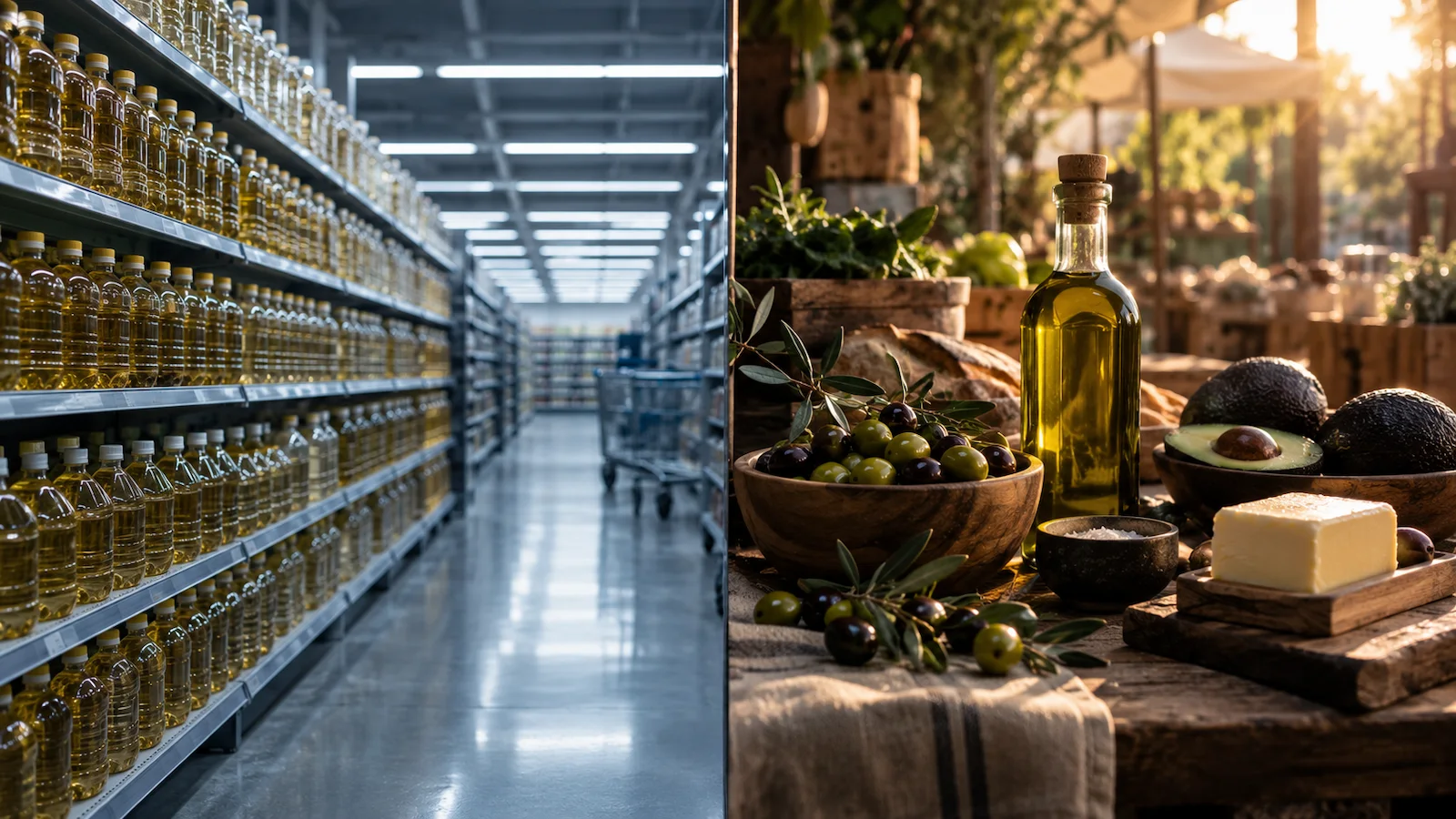
The primary argument against seed oils goes like this:
Seed oils are extremely high in omega-6 fatty acids, specifically linoleic acid. Omega-6 and omega-3 fatty acids compete for the same enzymes in the body. When omega-6 dominates, the argument goes, the body produces more pro-inflammatory compounds. Therefore, eating a lot of seed oils drives chronic inflammation — and chronic inflammation is at the root of heart disease, obesity, metabolic disease, and more.
This argument has intuitive appeal and a biochemical basis. The problem is what the human research actually shows.
A 2024 systematic review and meta-analysis found that higher linoleic acid intake consistently correlated with lower levels of inflammatory biomarkers — including C-reactive protein and interleukin-6, two of the primary markers researchers use to measure systemic inflammation. A separate study presented at Nutrition 2025 analyzed blood markers from nearly 1,900 people and found that higher blood levels of linoleic acid were associated with lower inflammation and better cardiometabolic health.
The proposed mechanism — linoleic acid converting to arachidonic acid, which then drives inflammation — doesn't hold up well in humans. Only about 0.2% of dietary linoleic acid actually converts to arachidonic acid in the human body, due to tightly regulated enzymatic controls. Eating more linoleic acid does not meaningfully raise arachidonic acid levels in most people.
The inflammation claim, as popularly stated, is not well supported by current human evidence.
The Omega-6 to Omega-3 Ratio Problem
Here's where it gets more interesting — and where I think there's a legitimate concern that the mainstream dismissals miss.
The typical Western diet today is approximately 5 to 15 times higher in omega-6s than omega-3s, driven primarily by the widespread use of seed oils in processed foods. The estimated per capita consumption of soybean oil increased more than 1,000-fold from 1909 to 1999. Pre-industrial populations ate omega-6 to omega-3 ratios closer to 1:1 to 4:1. The ratio today is closer to 16:1 — much higher than what humans are genetically adapted to.
Now, some researchers argue the bigger issue isn't that we're eating too many omega-6s — it's that we're eating too few omega-3s. Fix the omega-3 deficiency without worrying about reducing omega-6, and cardiovascular outcomes improve. That's a reasonable position supported by evidence.
But here's the practical implication either way: if your diet is heavy in processed foods cooked or made with seed oils, you are almost certainly getting far more omega-6 than any ancestral diet ever contained, and likely too little omega-3 to balance it. Whether the mechanism is "too much omega-6" or "not enough omega-3," the dietary pattern is the same problem.
The Heating and Oxidation Problem
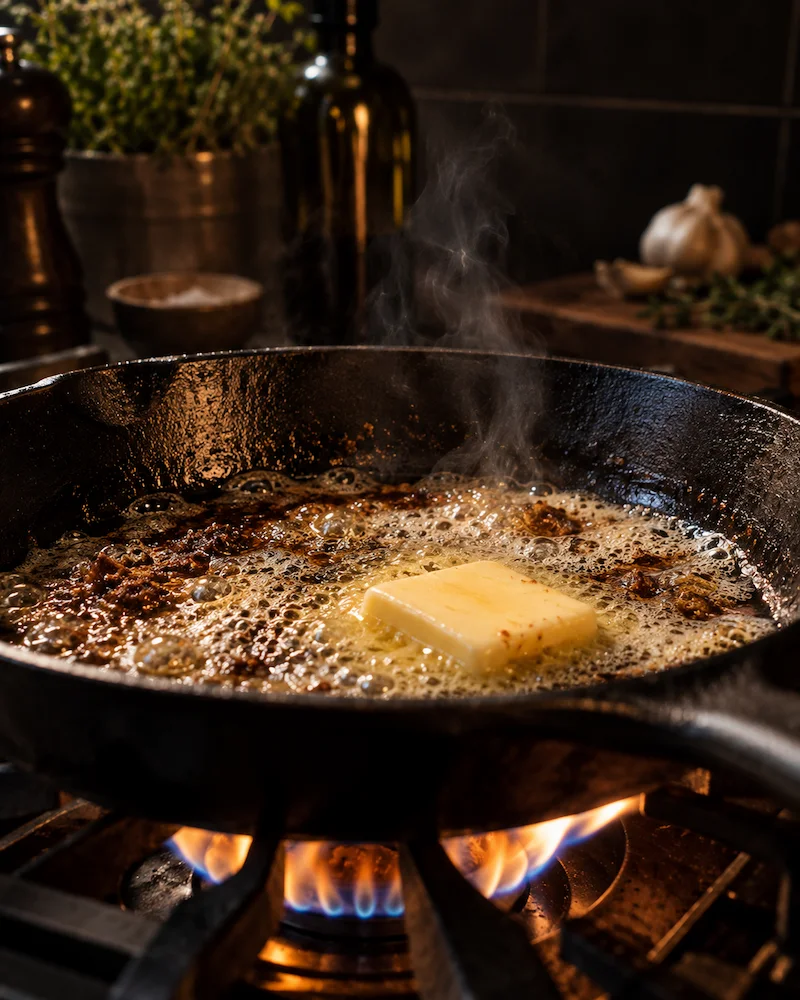
This is where I think the anti-seed-oil argument has the most legitimate ground — and where the mainstream "seed oils are fine" position is weakest.
Seed oils are polyunsaturated fats (PUFAs). Polyunsaturated fats are chemically unstable under heat, light, and oxygen. When you heat a PUFA-heavy oil to high temperatures — particularly frying temperatures of 180–200°C — it undergoes oxidation and thermal degradation that produces toxic byproducts: aldehydes, lipid peroxides, and oxidized linoleic acid metabolites.
High cooking temperatures and repeated heating cycles can drastically enhance the occurrence of chemical reactions, leading to harmful changes in oil composition including the formation of toxic compounds such as aldehydes, ketones, and alcohols.
A 2025 peer-reviewed study in ScienceDirect confirmed that the generation of toxic aldehydes in vegetable oils subjected to high-temperature cooking poses significant health risks due to their high reactivity and potential to form carcinogenic and mutagenic compounds.
This is not a fringe claim. The aldehyde formation in heated PUFAs is well-documented. The debate is over how much of this actually matters in the context of a normal diet — but if you're cooking at high heat with canola or sunflower oil regularly, there is a legitimate biochemical concern that the "seed oils are heart-healthy" talking points don't address.
Olive oil and avocado oil — both monounsaturated fats — are significantly more stable under heat. Saturated fats like butter and tallow are even more stable, because saturated fatty acids have no double bonds to oxidize. The stability hierarchy matters for cooking specifically.
The Processed Food Problem
One of the most important points that Johns Hopkins researchers raised is that seed oils have gotten a bad reputation partly because their effects are conflated with the unhealthy foods they are so commonly used in.
Seed oils are in virtually every processed and packaged food — crackers, chips, frozen meals, fast food, salad dressings, baked goods. When epidemiological studies show worse health outcomes in people who eat more seed oils, it's nearly impossible to separate the oil from the ultra-processed dietary pattern it's embedded in.
This is a real methodological problem with a lot of the observational research on both sides of this debate. The people eating the most seed oils are often eating the most processed food overall. The people eating the least seed oils are often eating more whole foods overall. Attributing the outcome to the oil specifically is difficult.
What the Mainstream Position Gets Right
The American Heart Association, Harvard, Johns Hopkins, and most mainstream nutrition institutions say seed oils are heart-healthy — better than butter, better than saturated fat, lower LDL cholesterol, associated with lower cardiovascular mortality.
The evidence for this, particularly from large observational studies, is real. A 2025 JAMA Internal Medicine study showed that people who ate more plant-based oils lived longer and had lower rates of heart disease and cancer. The linoleic acid biomarker studies show consistent association with better cardiometabolic outcomes.
If the comparison is seed oils versus the trans fats they replaced in the mid-20th century, seed oils win easily. If the comparison is seed oils versus whole food fat sources consumed in moderation as part of an otherwise healthy diet, the picture is much less clear.
What the Anti-Seed-Oil Position Gets Right
The seed oils-are-toxic influencer camp overstates the evidence significantly. But several of the underlying concerns are legitimate:
Industrial processing is not neutral. The hexane extraction, high-heat deodorization, and refining steps that produce seed oils create a product that's meaningfully different from minimally processed fats. Whether that difference matters clinically is uncertain — but dismissing it as irrelevant isn't honest either. Heating instability is real. Cooking repeatedly with PUFA-heavy oils at high temperatures does produce oxidation byproducts. This is well-documented. It's a particularly valid concern for restaurant cooking, where oils are reheated repeatedly. The omega-6 increase is historically unprecedented. Soybean oil consumption increased more than 1,000-fold over the 20th century. Human metabolism hasn't adapted to that dietary shift. Assuming it's entirely benign requires more confidence than the evidence warrants.What I Do and Why
I cook with extra virgin olive oil for lower and medium heat. Avocado oil for higher heat. Butter and tallow when the flavor calls for it or when I need a very stable fat at high temperature. Peanut oil occasionally for specific applications.
My reasoning isn't that seed oils are going to kill me. It's simpler than that: I want to cook with fats that are minimally processed, chemically stable under the heat I'm using, and have a track record in human diets that predates the industrial food system.
Olive oil has been a dietary staple for thousands of years. Butter and tallow have been used by humans for just as long. Avocado oil is minimally processed from the fruit. These aren't perfect foods — but they're not industrial products either.
The bigger issue for most people isn't the bottle of canola oil they use at home. It's the seed oils hiding in every processed and packaged food they're eating daily without thinking about it. That's where the real exposure is — and cutting processed foods addresses it more effectively than agonizing over cooking oil.
The Bottom Line
The seed oil debate is more nuanced than social media makes it. Here's the honest summary:
The inflammation claim as typically stated is not well supported in humans. The observational evidence linking seed oils to worse health outcomes is confounded by processed food consumption. Mainstream health institutions have legitimate data supporting seed oils as an improvement over trans fats and some saturated fat sources.
At the same time: heating instability and aldehyde formation are real concerns for high-heat cooking. The historical increase in omega-6 consumption is unprecedented and the long-term implications aren't fully understood. Industrial processing isn't neutral. And the omega-3 deficiency in most Western diets is a genuine problem regardless of which side of the seed oil debate you're on.
My practical recommendation: don't stress about seed oils in the context of an otherwise whole-food diet. Do consider replacing them with more stable, minimally processed options for your home cooking. Do aggressively reduce your consumption of processed foods — which is where most of your seed oil exposure is coming from anyway.
And get more omega-3s. That part isn't controversial.
Visual Summary
Want the full breakdown in one visual?
I put together an infographic covering the core science, the fat stability hierarchy, and practical kitchen rules — all in one place.
View the Infographic →Questions about how to structure your nutrition for real results? Let's talk._