Something has shifted in the fitness world — and it's bigger than any trend.
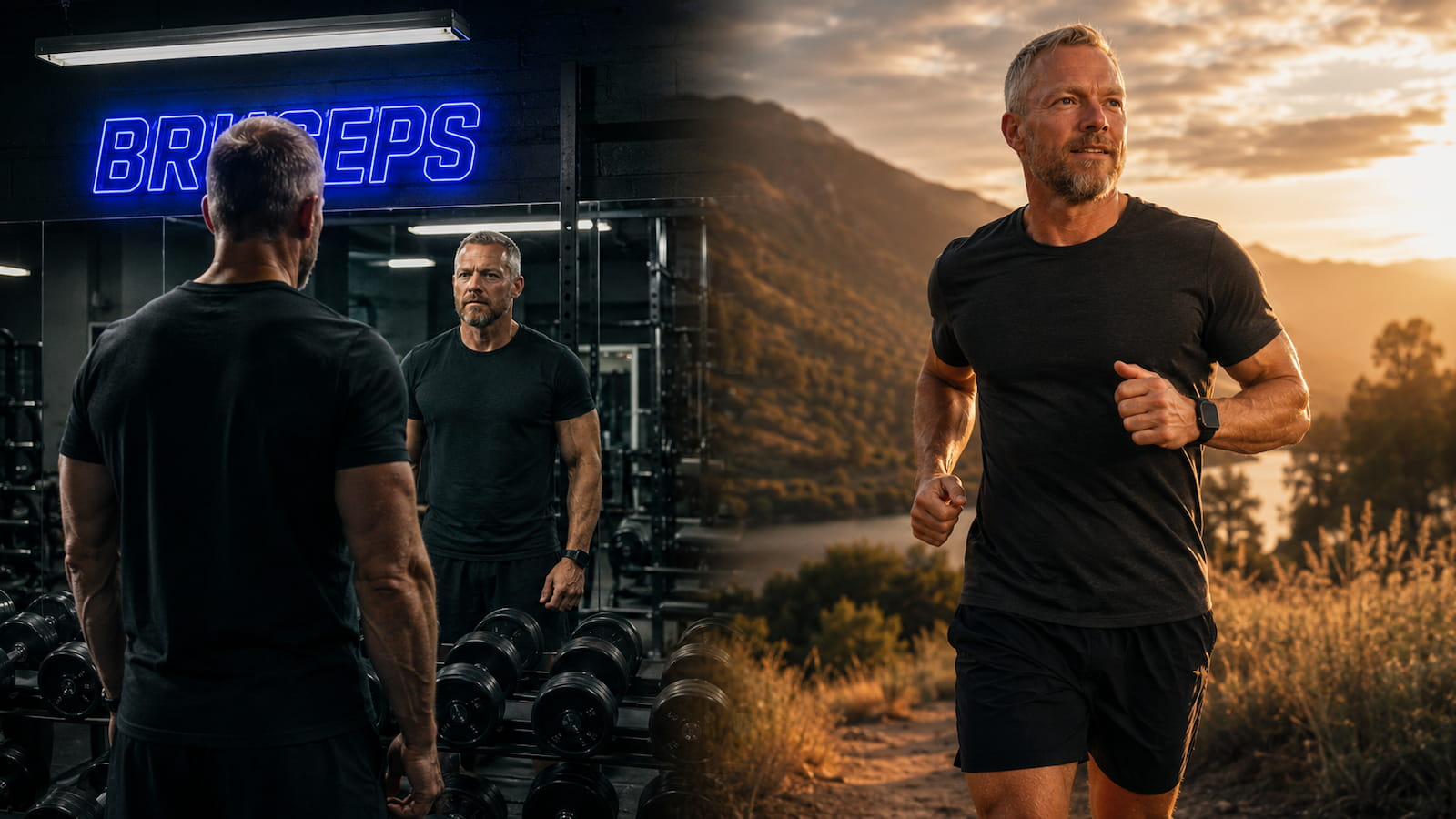
For decades, the dominant motivation for going to the gym was aesthetics. Lose weight before summer. Get the beach body. Drop two sizes. Look better. The fitness industry was built on selling you a mirror — and a deadline.
That's changing. According to a 2025 Wakefield Research survey, 60% of Americans now cite longevity and healthy aging as their top fitness motivator. Not weight loss. Not aesthetics. Not performance. Longevity.
I've been saying this for years. It's good to finally hear the culture catching up.
Why Longevity Changes Everything
When you train for aesthetics, you're optimizing for a photo. When you train for longevity, you're optimizing for a life.
Those are fundamentally different goals — and they produce fundamentally different behaviors.
Training for aesthetics tends toward the extreme. More cardio, fewer calories, harder programs, faster results. It's driven by urgency — a deadline, an event, a number on the scale. It burns hot and burns out fast. Most people who train primarily for aesthetics spend their lives in a cycle of starting and stopping, losing and regaining, motivated and defeated.
Training for longevity is the opposite. It's driven by a slow, compounding logic: how I treat my body today shapes the life I get to live at 60, 70, and 80. There's no deadline because there's no finish line. There's just the daily decision to show up — and the decades of compound interest that follow.
What My Dad Taught Me
My relationship with longevity-focused fitness isn't abstract. It's personal.
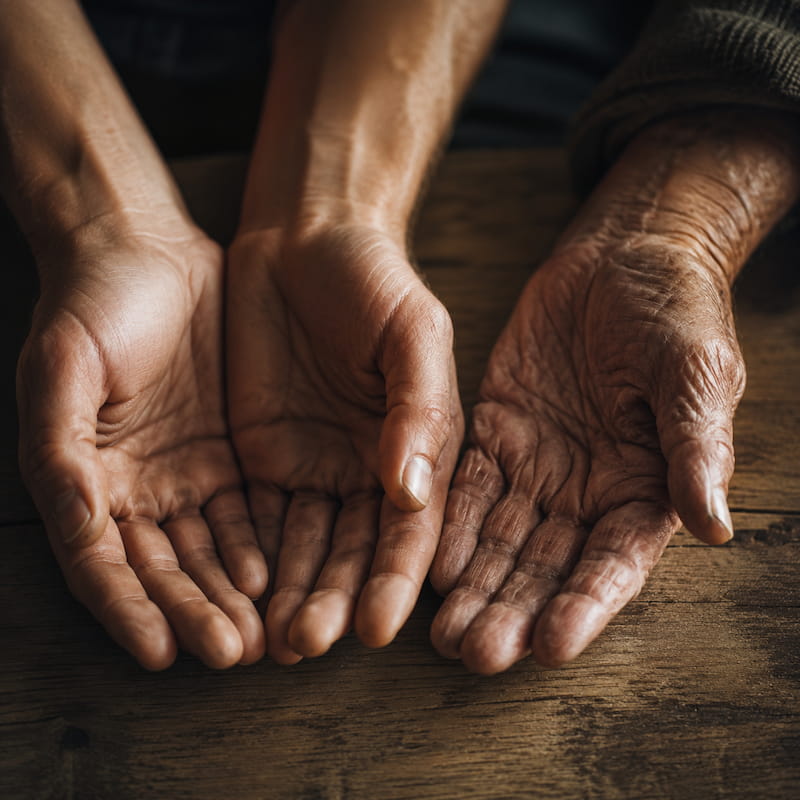 My dad used to take me to the gym when I was young. He was the reason I fell in love with lifting. And as he got older, I watched him change. Dementia came slowly, then all at once. Alzheimer's eventually took him at 79.
That experience changed how I think about every health decision I make. Exercise isn't just about the body. Research consistently shows that regular physical activity — particularly resistance training and cardiovascular exercise — is one of the most powerful tools we have for brain health. It supports cognitive function, reduces inflammation, promotes neuroplasticity, and appears to significantly reduce the risk of dementia.
This is why I train. Not to look good in a shirt — though that's a fine byproduct. I train because I want to be sharp at 70. I want to be mobile at 75. I want to give the people I love more years with a version of me that's present, capable, and engaged.
That's what longevity training is about.
The Four Pillars of Longevity Training
1. Strength — The Foundation of Everything
Muscle mass is a longevity asset. After age 30, we lose approximately 3–5% of muscle mass per decade without active resistance training. By 60, an untrained person may have lost 30% or more of the muscle they had at their peak.
The consequences compound over time: reduced metabolism, decreased bone density, impaired balance, greater fall risk, slower recovery from illness or injury, and reduced functional independence.
Strength training reverses this. It preserves and builds muscle mass, increases bone density, improves insulin sensitivity, and supports metabolic health. It's the single most impactful thing most people can do for their long-term physical function.
The goal isn't to be a powerlifter. The goal is to still be able to carry groceries, climb stairs, get up off the floor, and move freely — at 80. Start building that capacity now.
2. Cardiovascular Health — Your Heart Is a Muscle Too
The heart health evidence is overwhelming. Regular aerobic exercise reduces blood pressure, improves arterial flexibility, lowers resting heart rate, reduces cardiovascular mortality risk, and supports brain health through improved cerebral blood flow.
The target isn't marathon training. It's consistent, moderate cardiovascular activity — walking, cycling, swimming, or any sustained effort that elevates your heart rate. The American Heart Association recommends at least 150 minutes of moderate-intensity aerobic activity per week. That's 30 minutes, five days. Completely achievable.
Combined with resistance training, the cardiovascular benefits are even more pronounced. Your heart is a muscle. Train it.
3. Recovery — The Part Most People Skip
Here's the part of longevity training that gets underestimated: you can't out-train poor recovery.
Sleep is the primary recovery mechanism for everything — muscle repair, hormone production, cognitive function, immune response, emotional regulation. Seven to nine hours isn't a luxury. It's the minimum for a body that's training consistently.
The sauna has become non-negotiable in my routine — 15 to 20 minutes post-workout, every single day. The research on regular sauna use is compelling: reduced cardiovascular risk, lower dementia risk, reduced systemic inflammation, improved sleep quality. For anyone training for longevity, it belongs in the conversation.
Magnesium glycinate before bed. Fish oil daily. Consistent sleep and wake times. These aren't optional extras — they're the infrastructure that makes everything else work.
4. Nutrition — Fueling the Long Game
Longevity nutrition isn't complicated, but it is different from aesthetic nutrition.
The focus shifts from calorie restriction to nutrient density. From short-term deficit to long-term fueling. From what the scale says to how your body actually functions — energy, inflammation, cognitive clarity, hormonal health.
Protein remains the most critical macronutrient at every age — supporting muscle preservation, immune function, and satiety. Omega-3 fatty acids from fish oil or whole food sources support cardiovascular and brain health. Vitamin D3 and magnesium are widely deficient and widely impactful.
And increasingly, the research on specific foods for brain and cardiovascular health is compelling. Sardines. Dark leafy greens. Berries. Olive oil. Nuts. These aren't diet foods — they're longevity foods.
The Mindset Shift That Makes It All Work
None of this works without the right frame.
Longevity training requires patience. Results are measured in years and decades, not weeks. There's no dramatic before-and-after photo at the end of twelve weeks. There's a body that works better at 55 than it did at 45 — and that keeps working better at 65 and 75.
That requires a decision, not a motivation. Motivation is a feeling — it comes and goes. The decision to treat your health as a long-term investment is made once and honored repeatedly. On the days it's easy and on the days it's not. Especially on the days it's not.
I've said this before and I'll keep saying it: consistency is THE goal. Everything else is a byproduct.
The people who thrive physically at 70 and 80 didn't find some secret program or hidden supplement. They made a decision — probably in their 30s, 40s, or 50s — to show up consistently for their health. And then they honored that decision for decades.
Where to Start
If longevity is the goal, here's the minimum effective dose:
Strength train at least 3 times per week. Focus on compound movements — squat, hinge, push, pull. Progressive overload over time. Track your workouts. Move daily. Walk. Take the stairs. Choose the hard option when you can. Non-exercise activity matters more than most people realize. Sleep 7–9 hours. Consistent schedule. Dark, cool room. Magnesium glycinate 30 minutes before bed. Eat enough protein. 0.7–1g per pound of bodyweight. Daily. Non-negotiable. Address your stress. Chronic stress is a longevity killer — cortisol destroys muscle, disrupts sleep, impairs cognition, and accelerates aging. Exercise is one of the most effective stress regulators that exists. Get regular health screenings. Blood work annually. Know your numbers — vitamin D, testosterone, cholesterol, blood sugar, inflammatory markers. You can't optimize what you don't measure.
The Bottom Line
The shift from training for aesthetics to training for longevity isn't just a trend. It's a maturation — a recognition that the body you have at 70 is built by the decisions you make at 35, 45, and 55.
You don't get to decide not to age. You do get to decide how you age.
Start training for the life you want to be living in 20 years. The version of you at 70 is watching every decision you make today.
That's the Fit Life. And it starts now.